Where the pressure sensor goes, why it must sit after the check valve, and which wiring mistakes cause faults.
Installing a pump controller is not complicated, but a few details decide whether it works properly. This guide collects them.
Where to mount the unit
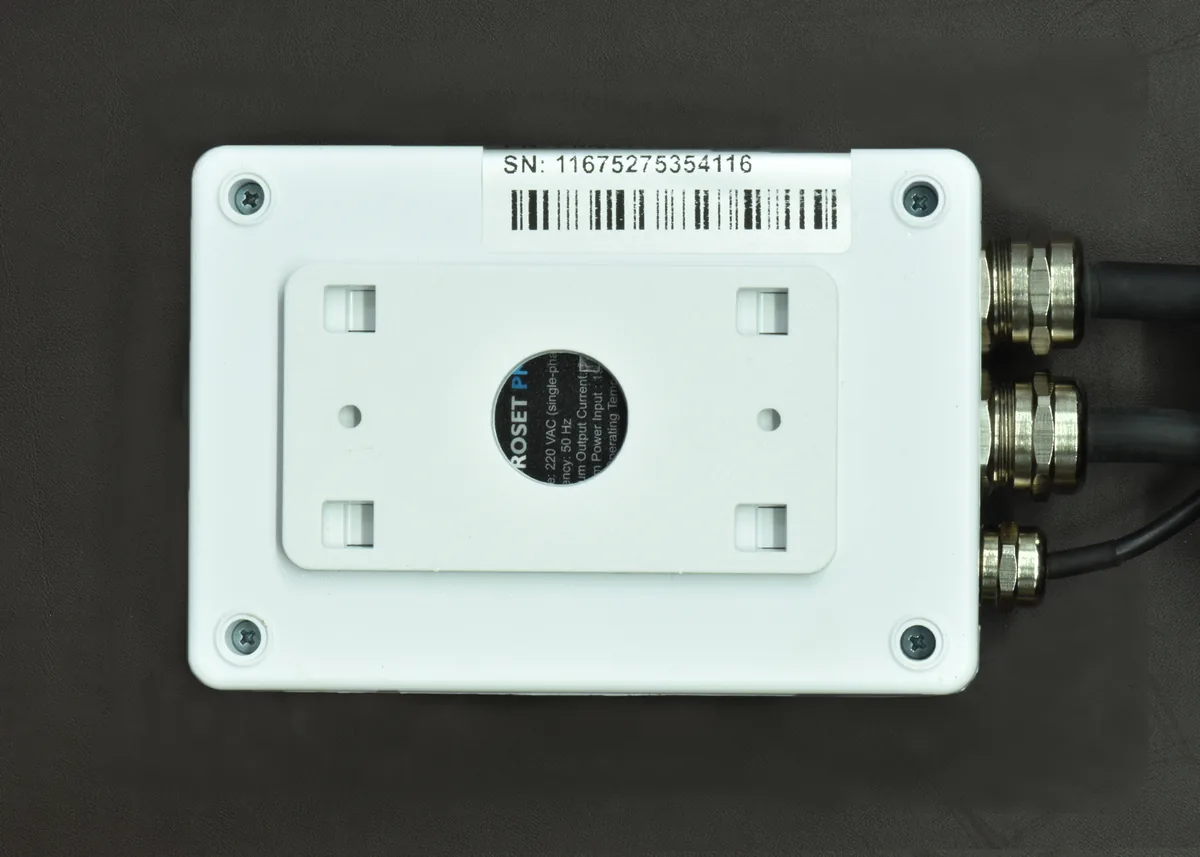
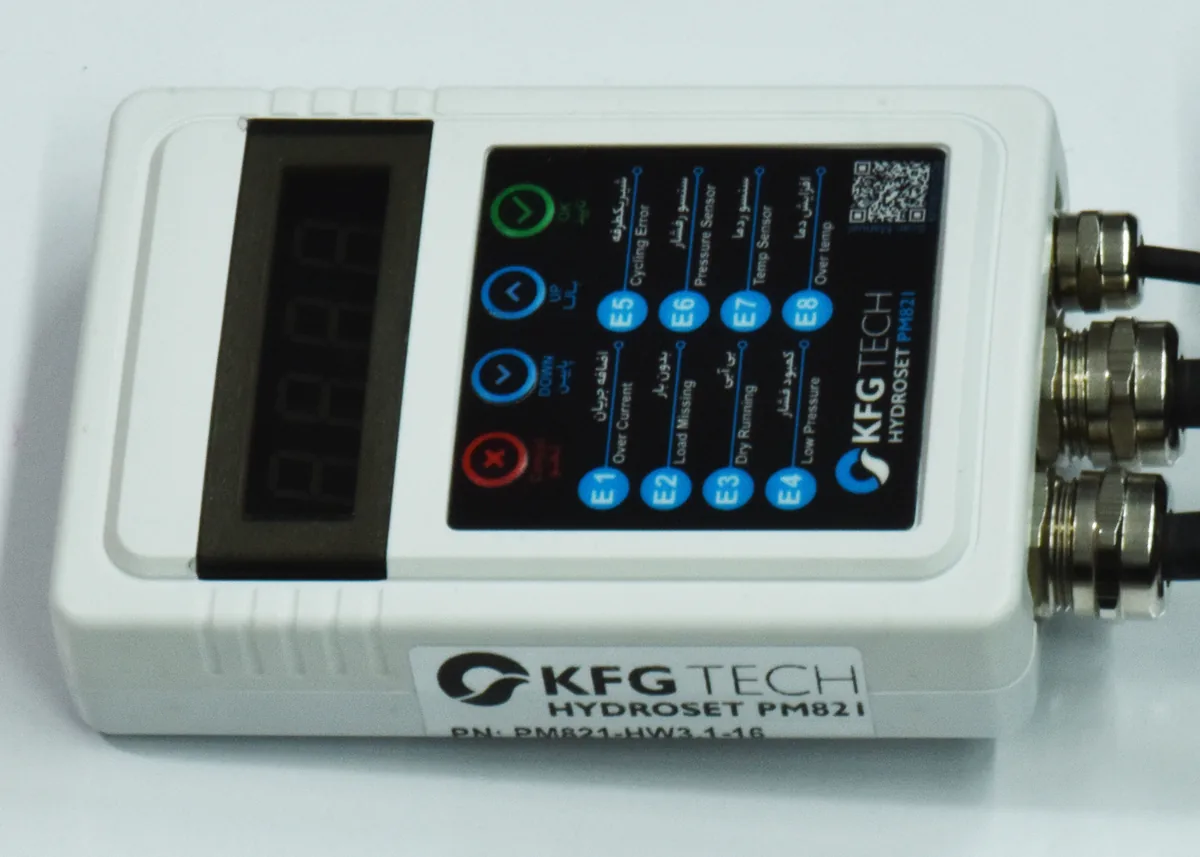
Mount it somewhere ventilated and out of direct sunlight. The permitted operating temperature is −15 to 55 °C. Excess heat causes fault E8.
Fitting the pressure sensor
The sensor is the heart of the system, and where it sits is the single most important detail of the job.
- The sensor must sit **after the check valve**. Fitted before it, it does not read the real line pressure.
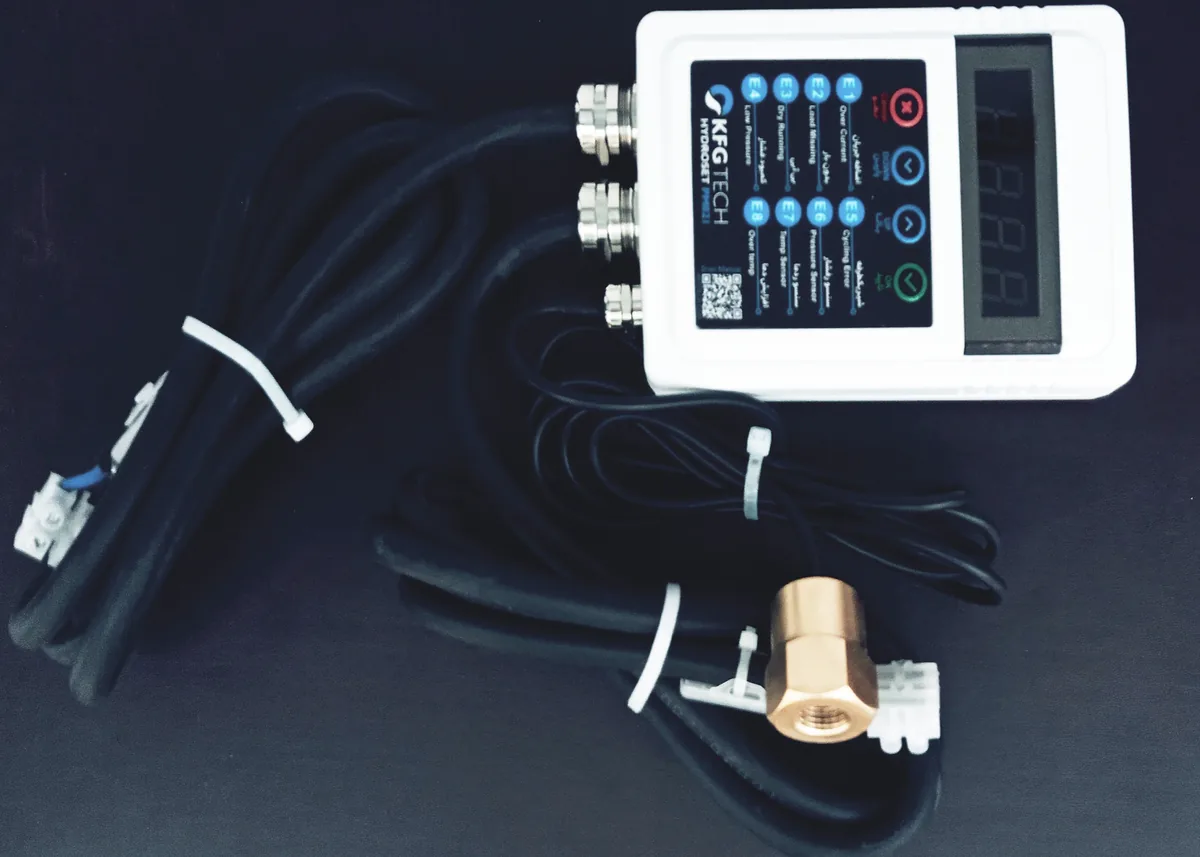
- Its thread is G1/4 female and its range is 0 to 20 bar.
- Fit it where air cannot collect.
- The green light on the back of the sensor shows that it is powered and healthy.
A wrongly fitted sensor usually shows fault E4 (dry running by pressure) even though the water supply is perfectly fine.
Pipework and the bypass valve
If there is a bypass line, make sure its valve is sound. A bypass valve that looks closed but leaks means the pressure never reaches the set value and the unit reports a low-pressure fault.
Wiring
- The incoming supply and the pump output go to their own terminals; the output voltage equals the input.
- The unit runs on 180 to 240 V single phase.
- Size the circuit breaker for the pump power, never smaller.
- Tighten the terminals fully. A loose terminal is a common cause of the load-missing fault (E2).
If the output drives a contactor, the pump current does not pass through the unit and current-based dry-run detection will not work. Set F4 to 0 and detect dry running by pressure (F10).
First start-up
- Before switching on, make sure the inlet valve is open and the pump is primed.
- Switch on. Factory settings suit most buildings.
- Adjust the stop pressure (F1) and start pressure (F2) for your building height if needed.
- Open and close a tap once and watch how the pump behaves.
Maintenance
The unit needs no scheduled maintenance. Every few months, check the installation for dust and ventilation and make sure the terminals have not worked loose.