The capacitor helps a pump's single-phase motor get started. The signs of a failed water pump capacitor, why it fails early, and safety points for replacing it.
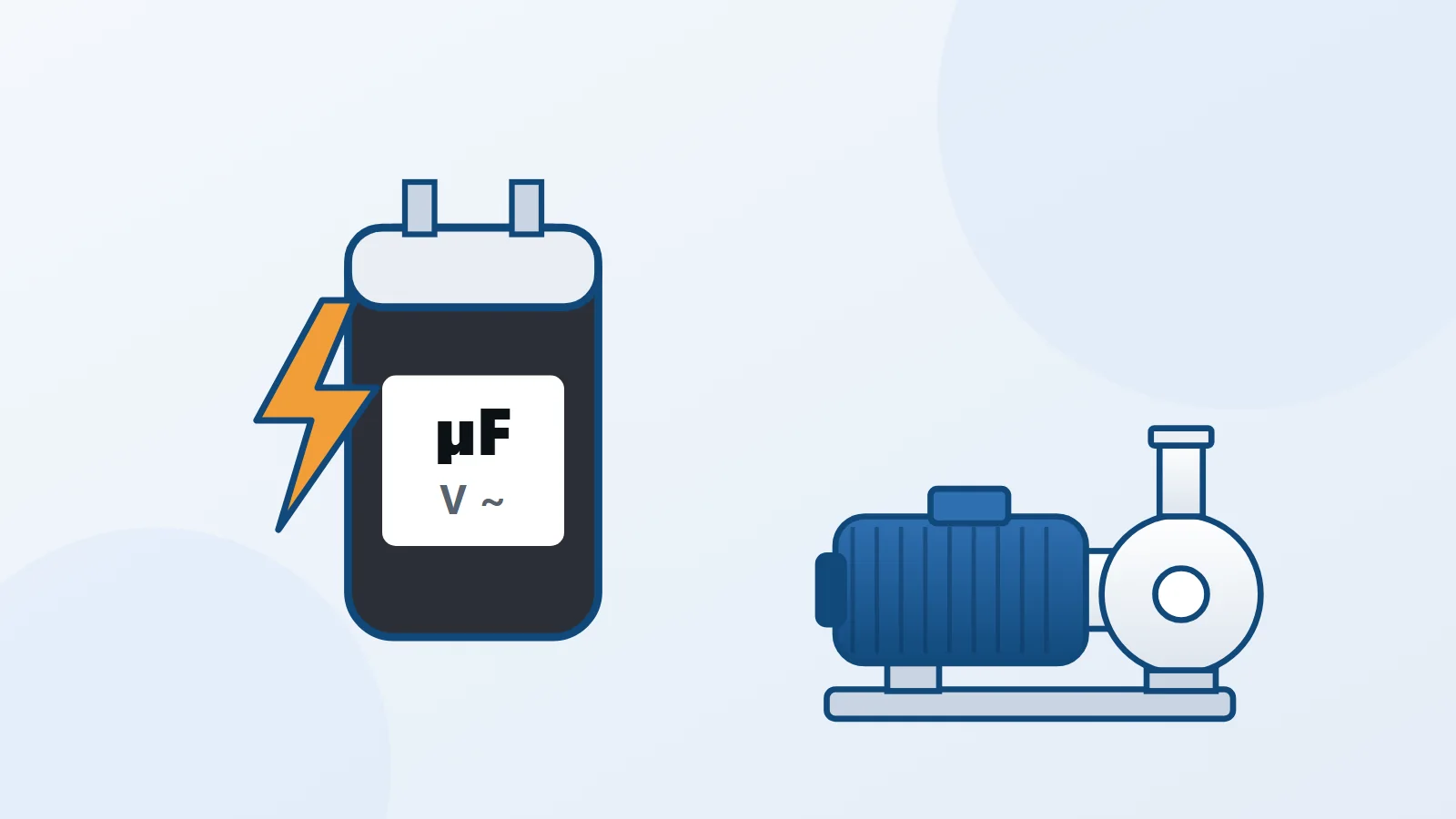
Most domestic water pumps have a single-phase motor, and a single-phase motor needs help to start turning. That help comes from the capacitor. The capacitor is usually a small cylinder on the pump body or inside the pump's terminal box.
Signs of a failed capacitor
- The motor hums but doesn't turn.
- The pump starts with difficulty and slowly.
- The pump gets hot quickly.
- The capacitor casing is swollen, cracked or leaking.
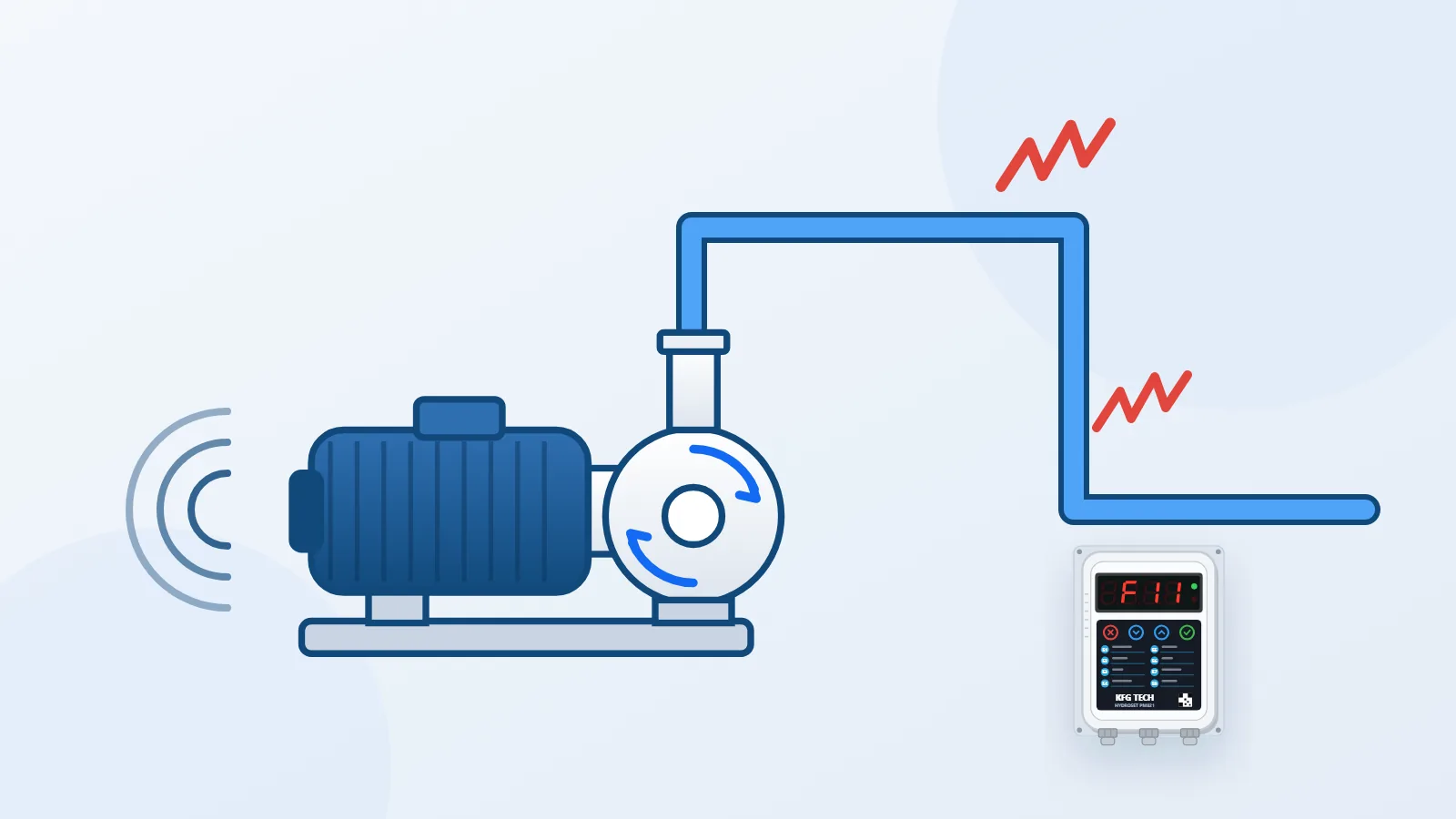
If the pump hums and doesn't turn, switch off the power immediately. A motor that has power but doesn't turn draws a high current and heats up. In this situation the HYDROSET controller may stop the pump with an over-current fault (E1).
The capacitor is also on the checklist for fault E2: when the unit sees no current at all from the pump, one of the things to check is the pump capacitor.
Why capacitors fail early
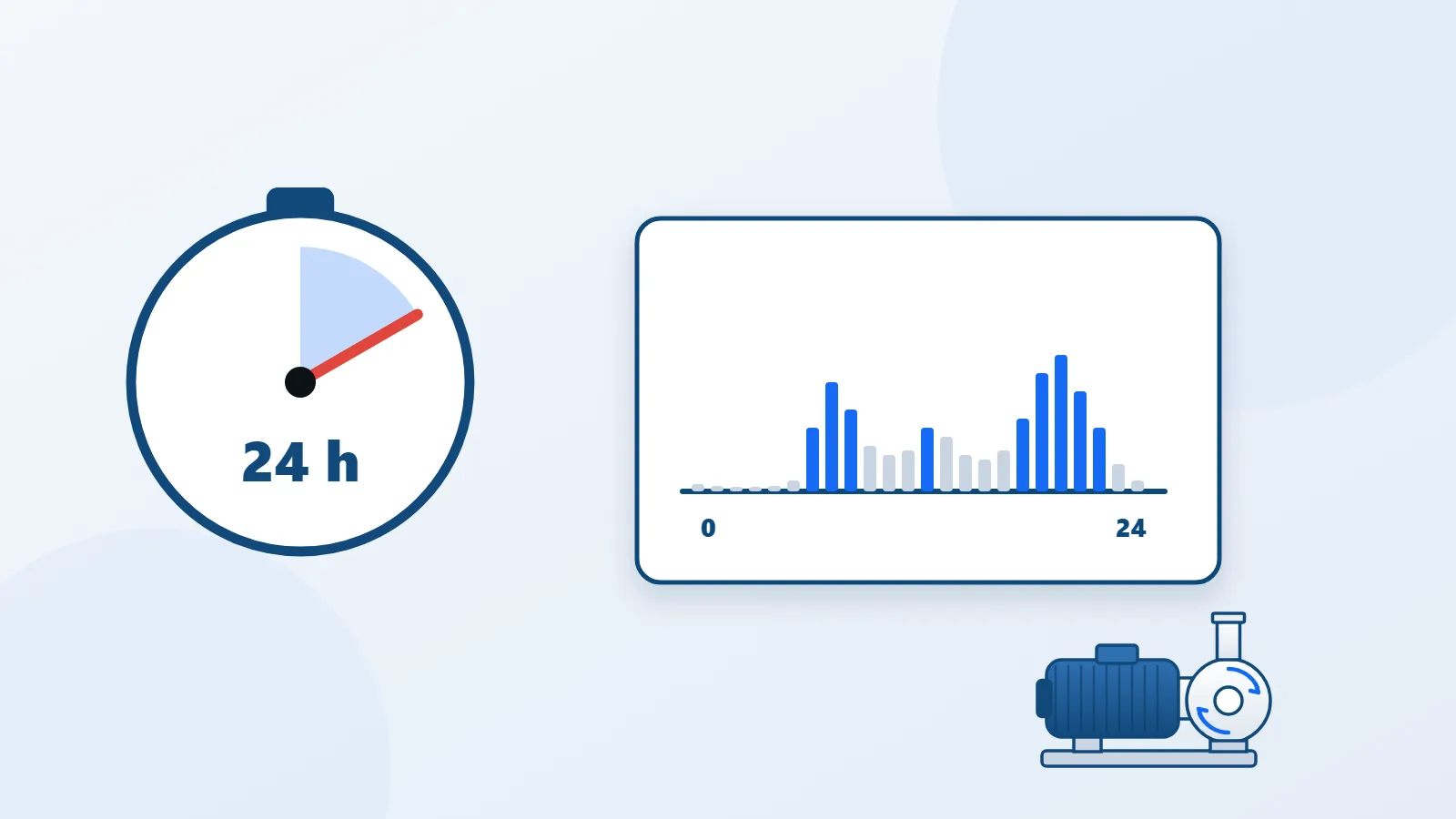
- Frequent starting and stopping. Every pump start puts stress on the capacitor and the switch. A pump that keeps switching on and off wears out its capacitor sooner.
- Heat. A hot pump room and a pump that overheats shorten the capacitor's life.
A pressure vessel with the right pre-charge and a suitable gap between F1 and F2 reduces how often the pump starts and helps the capacitor last longer.
Replacing the capacitor
- Switch off the power. A capacitor may hold an electrical charge even after the power is off. Take care before touching its terminals, and if you are not familiar with electrics, leave the job to an electrician.
- Read the ratings off the old capacitor. The capacitance and voltage are printed on the capacitor casing. The new capacitor must have the same capacitance and at least the same voltage. If the markings are unreadable, get the ratings from the pump nameplate or the pump manual. Don't guess the capacitance.
- Make the connections tight. A loose connection heats up and causes trouble again.
If the capacitor is fine
If a new capacitor doesn't solve the problem either, check the pump shaft or bearing. A pump with a seized shaft draws a high current with any capacitor. Water pump won't start has the full order of checks.